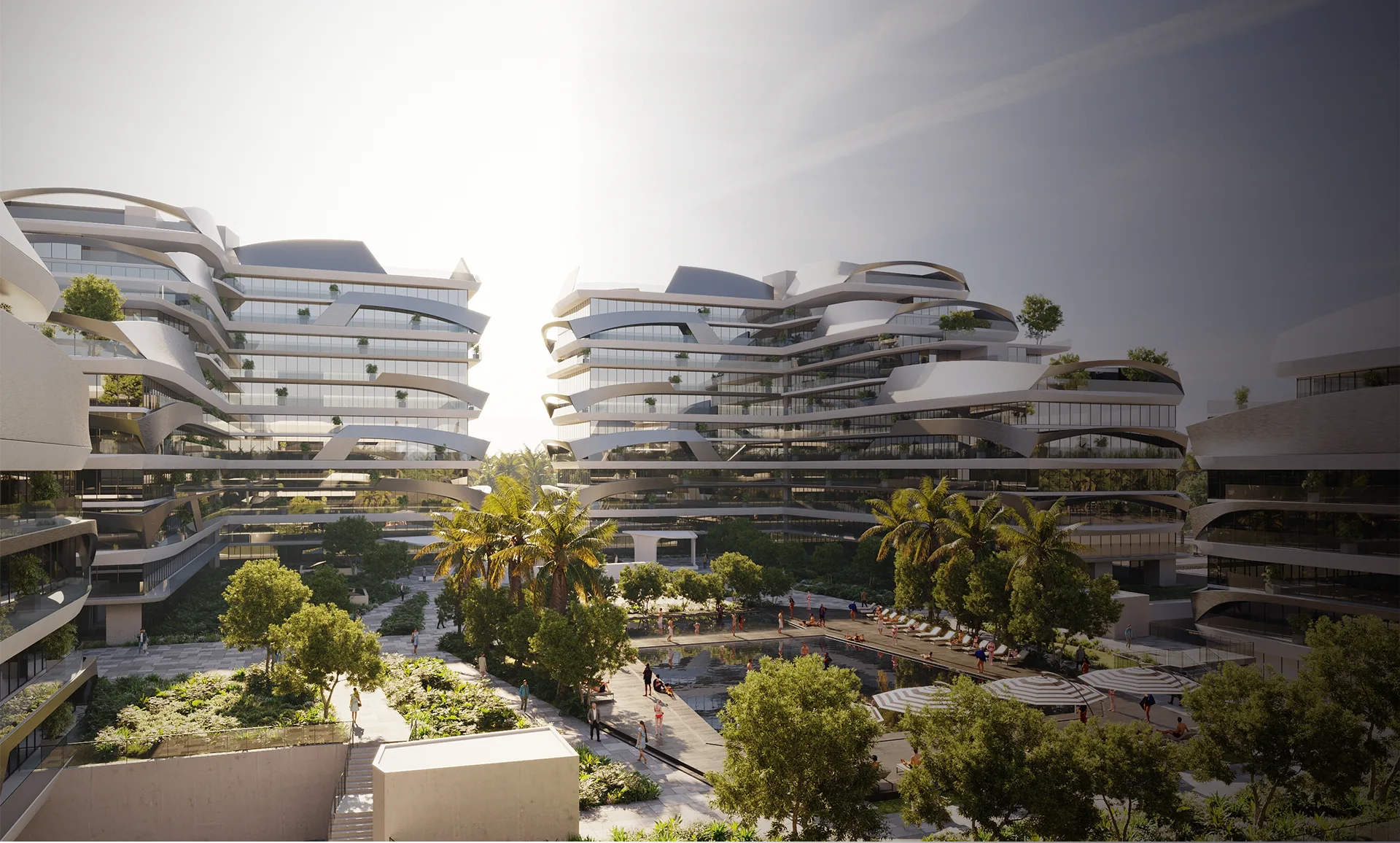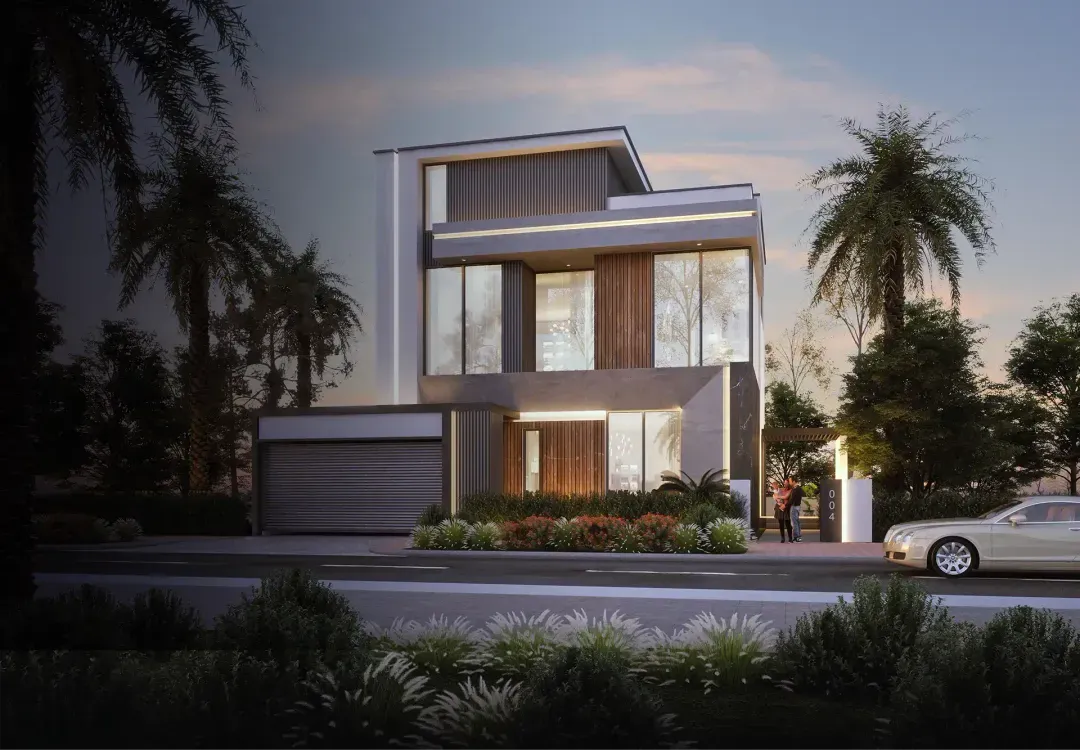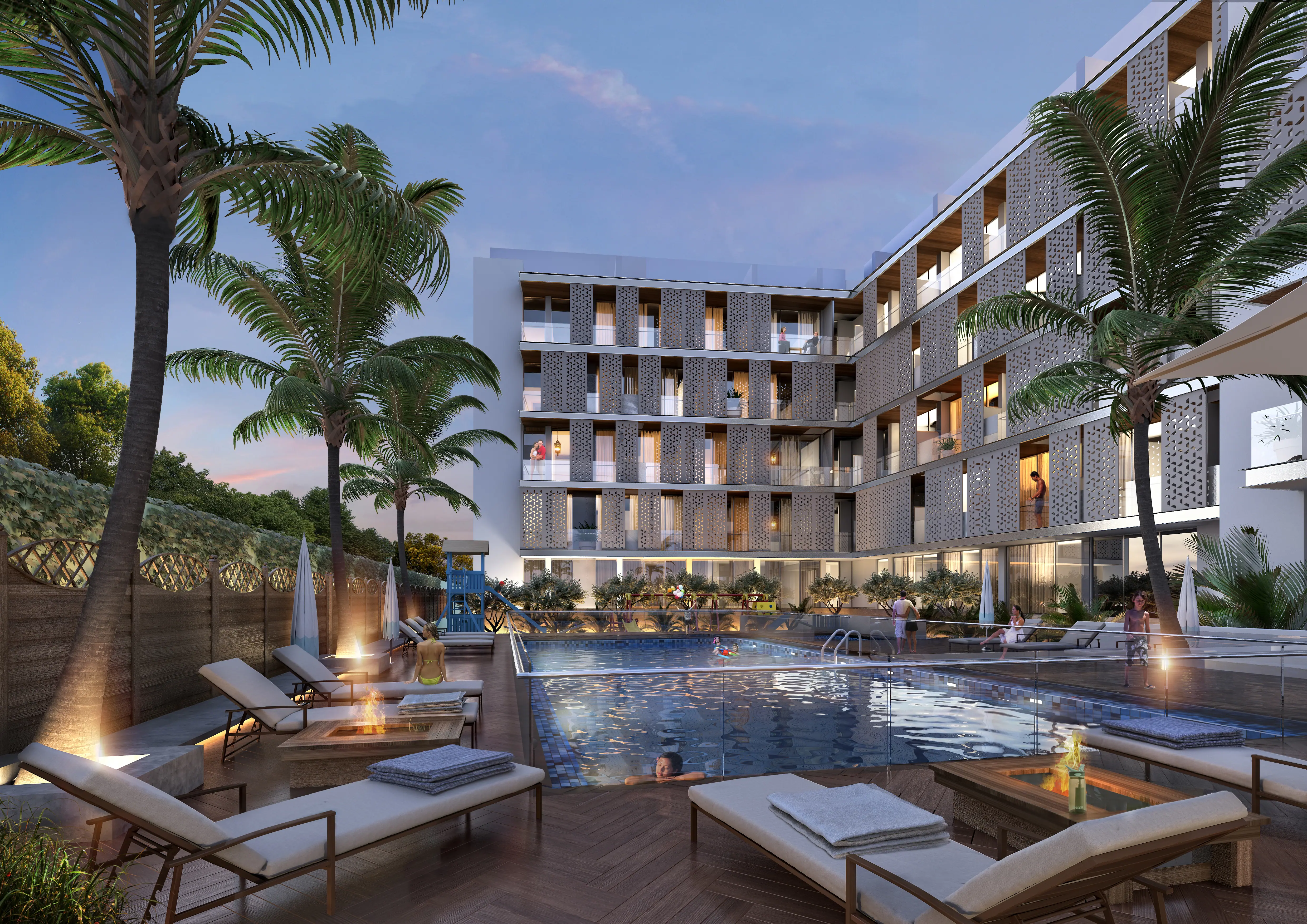
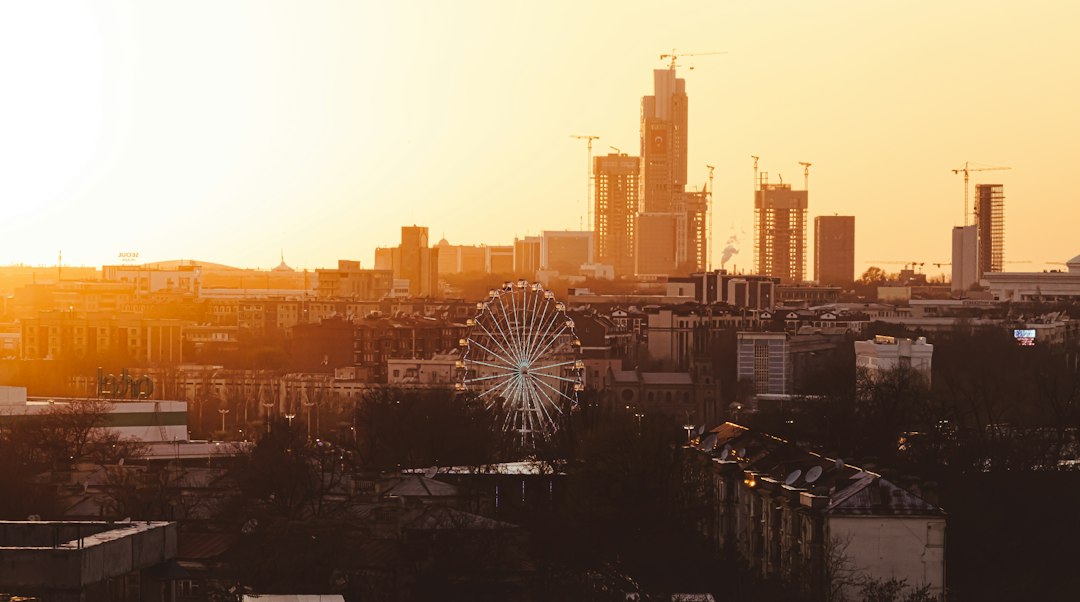
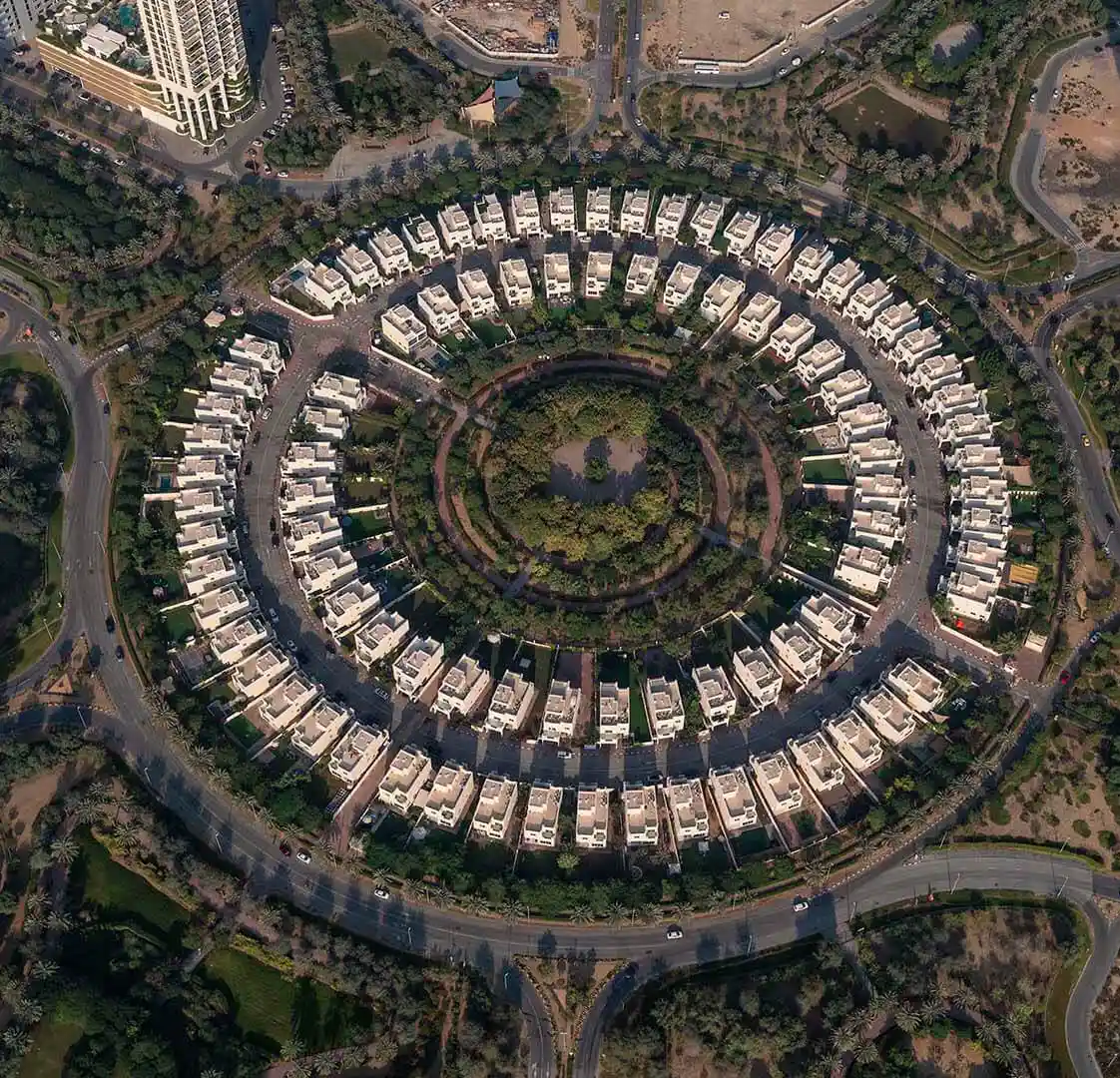
Jumeirah Village Circle
Tell us where you would like to invest and a Gulf Land adviser will be in touch with residency guidance, availability and the latest market figures.


Three markets, three very different routes. Dubai links property directly to a 10-year Golden Visa; Tashkent offers permanent residence through property; Portugal rewards long-term capital growth but no longer grants residency for buying a home. Compare them side by side, then explore each market in depth.
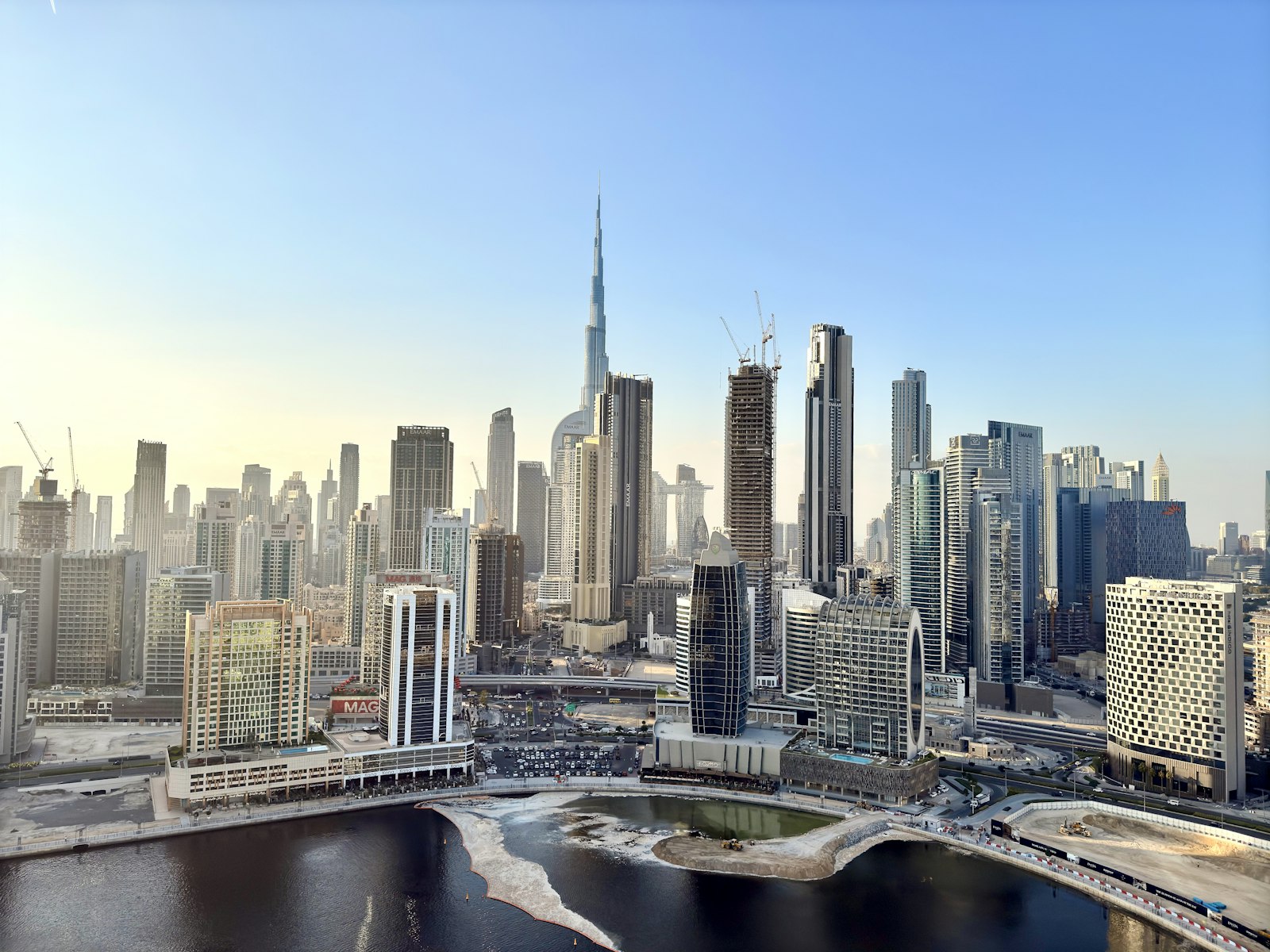
A 10-year Golden Visa from an AED 2 million property investment, now including off-plan homes, with no personal income tax.
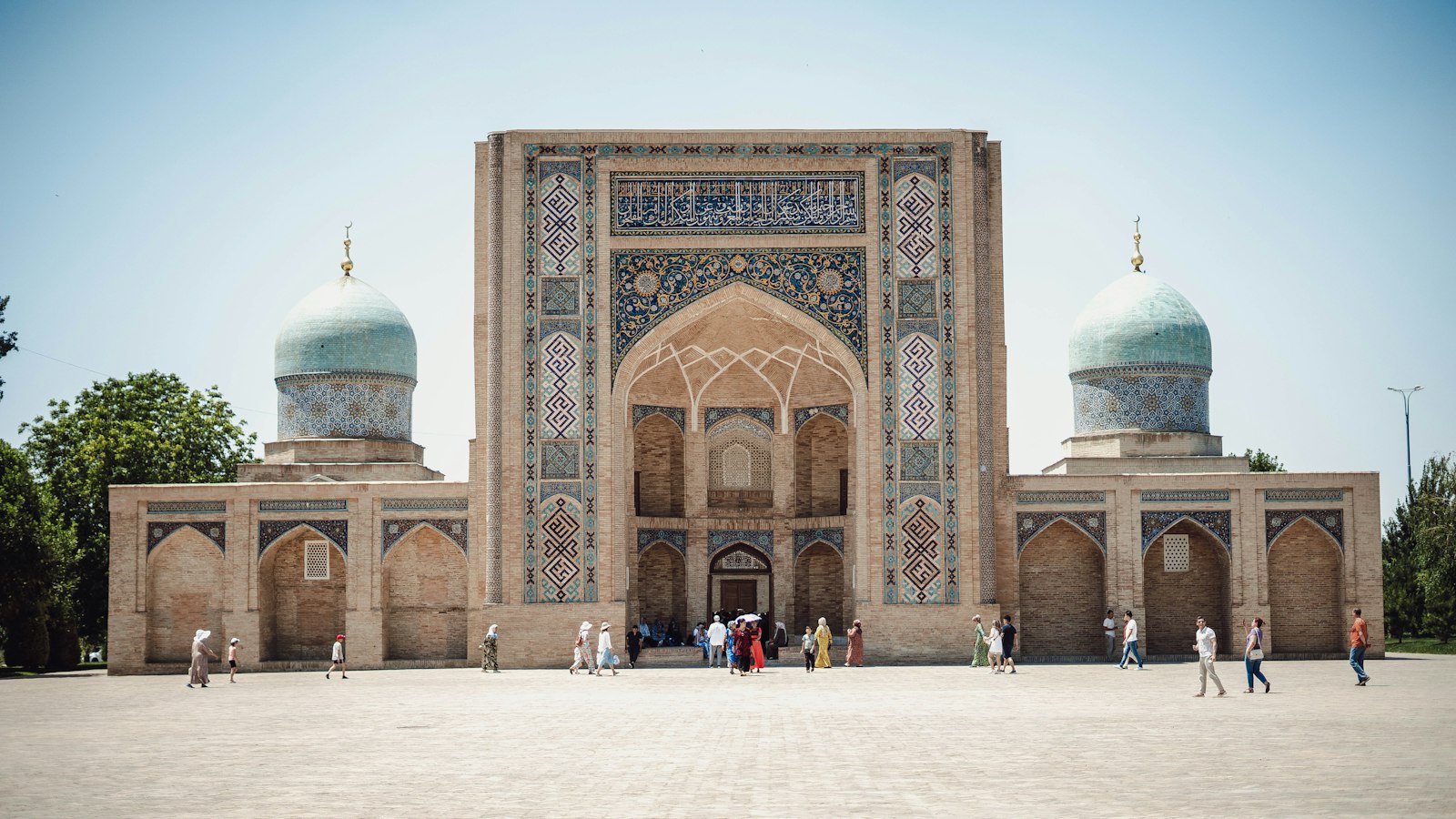
Permanent residence from $300,000 of property in Tashkent city, or $100,000 in the regions, with a flat 12% income tax.
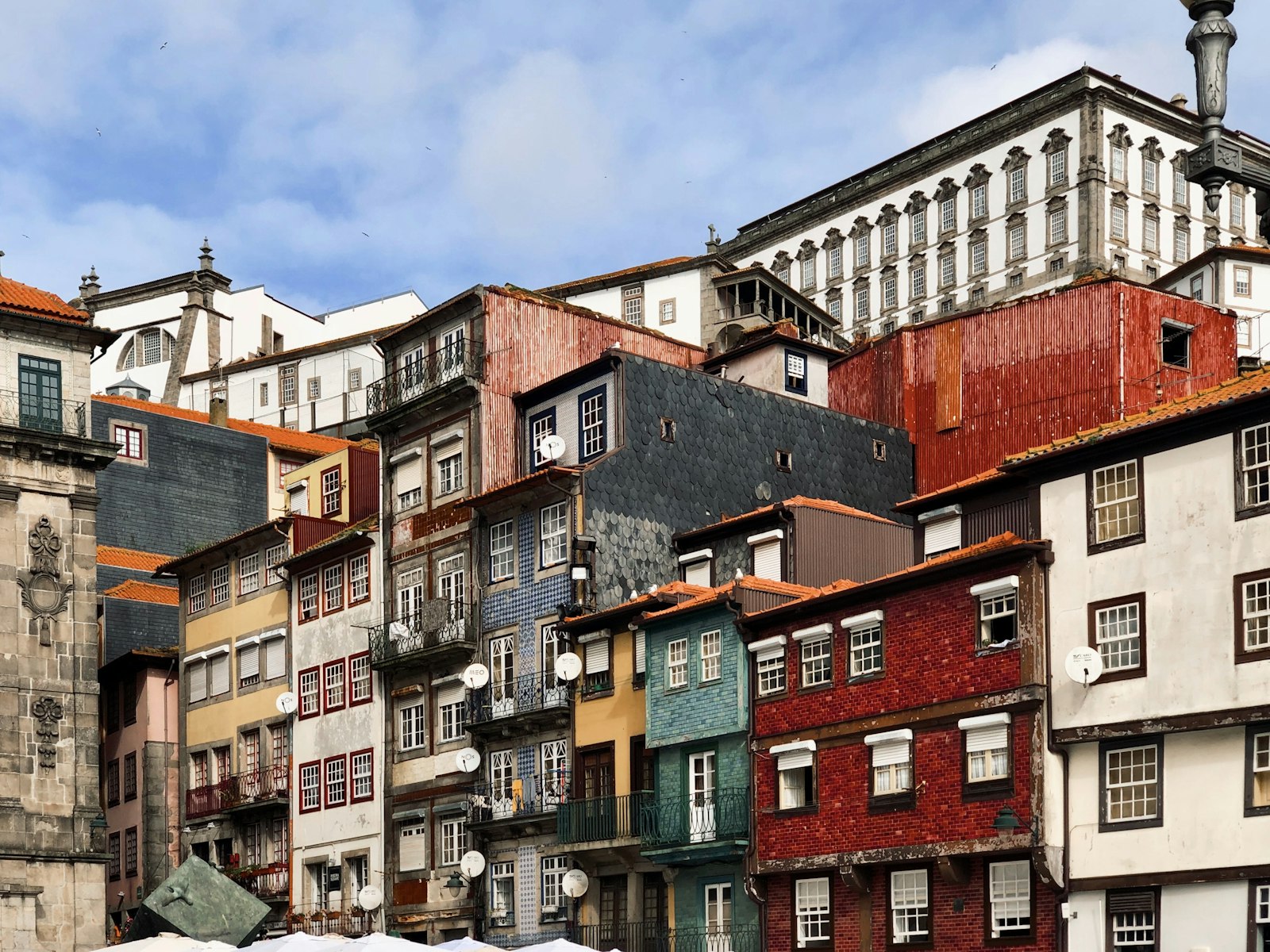
Freehold with no nationality restriction. Property no longer qualifies for residency; the Golden Visa now runs through €500,000 fund investment.
| Market | Minimum for residency | Does property qualify? | Income tax | Ownership |
|---|---|---|---|---|
| Dubai | AED 2 million (about $545,000) | Yes — 10-year Golden Visa | 0% personal income tax | Freehold in designated areas |
| Tashkent | $300,000 in the city; $100,000 in the regions | Yes — permanent residence | Flat 12% | Apartments owned outright; land on long-term use rights |
| Portugal | €500,000 into a qualifying fund | No — not since October 2023 | IFICI: flat 20% on qualifying income | Freehold, no nationality restriction |
Source: UAE Ministry of Foreign Affairs, Government of Uzbekistan, AIMA. Figures are a guide; confirm eligibility with an adviser.
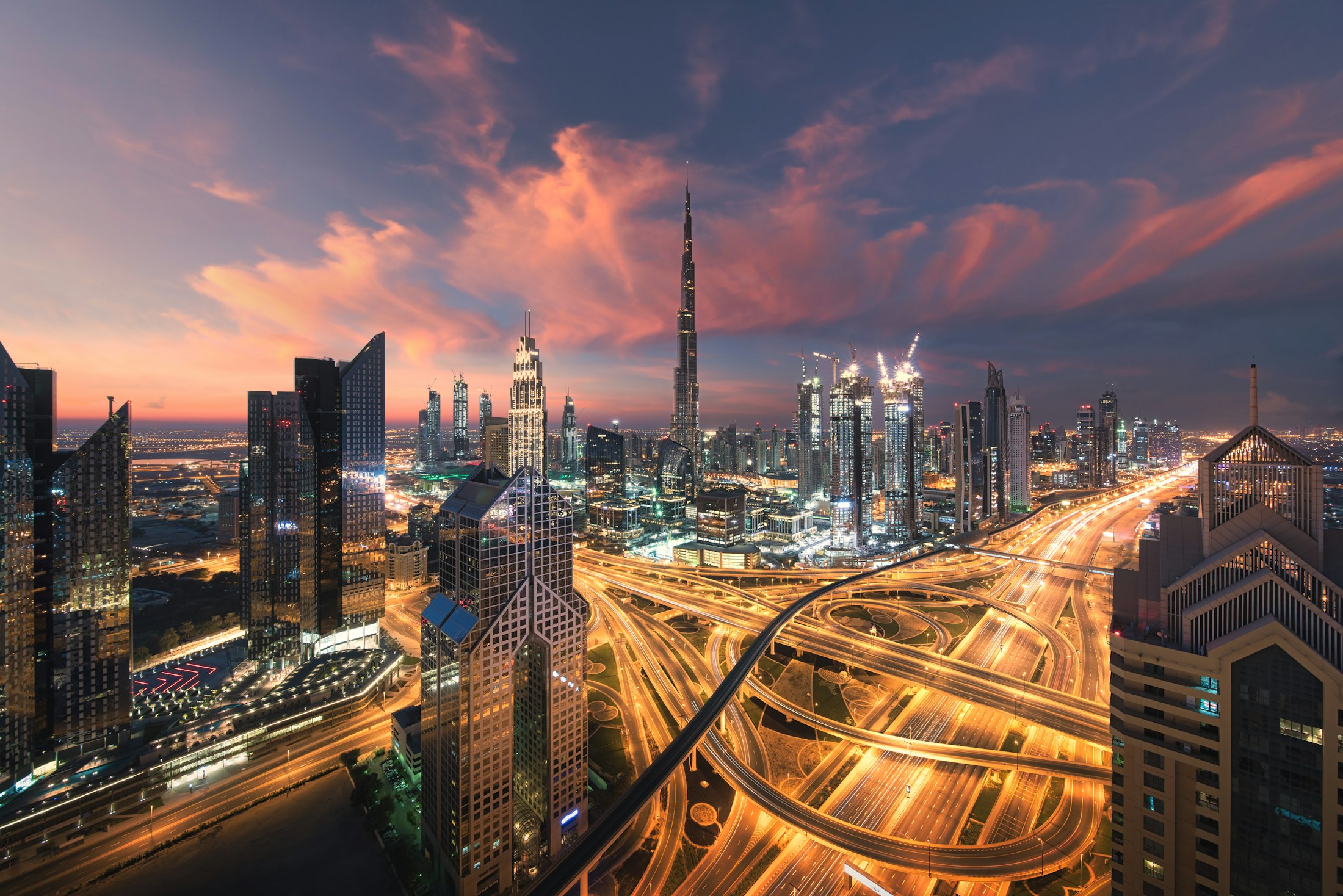
Dubai is a city built for what comes next. It links East and West, charges no personal income tax and delivers some of the strongest rental returns of any global city, while a year-round lifestyle draws residents from every corner of the world. Gulf Land's developments let you own a share of that growth.
Register your interestDubai International handled a record 95.2 million passengers in 2025 and connects directly to more than 270 destinations, keeping the city within eight hours of two-thirds of the world.
More than 40 free zones offer tax exemptions and full foreign ownership, and were home to over 210,000 registered companies by late 2024.
Jebel Ali is the largest port in the Middle East and ranks among the five biggest worldwide in 2025.
The UAE placed first of 56 economies in the Global Entrepreneurship Monitor, leading on 11 of 13 indicators, backed by government support and full foreign ownership.

Al Maktoum International is expanding towards a capacity of 260 million passengers a year, while DXB expects to reach around 115 million by 2031.
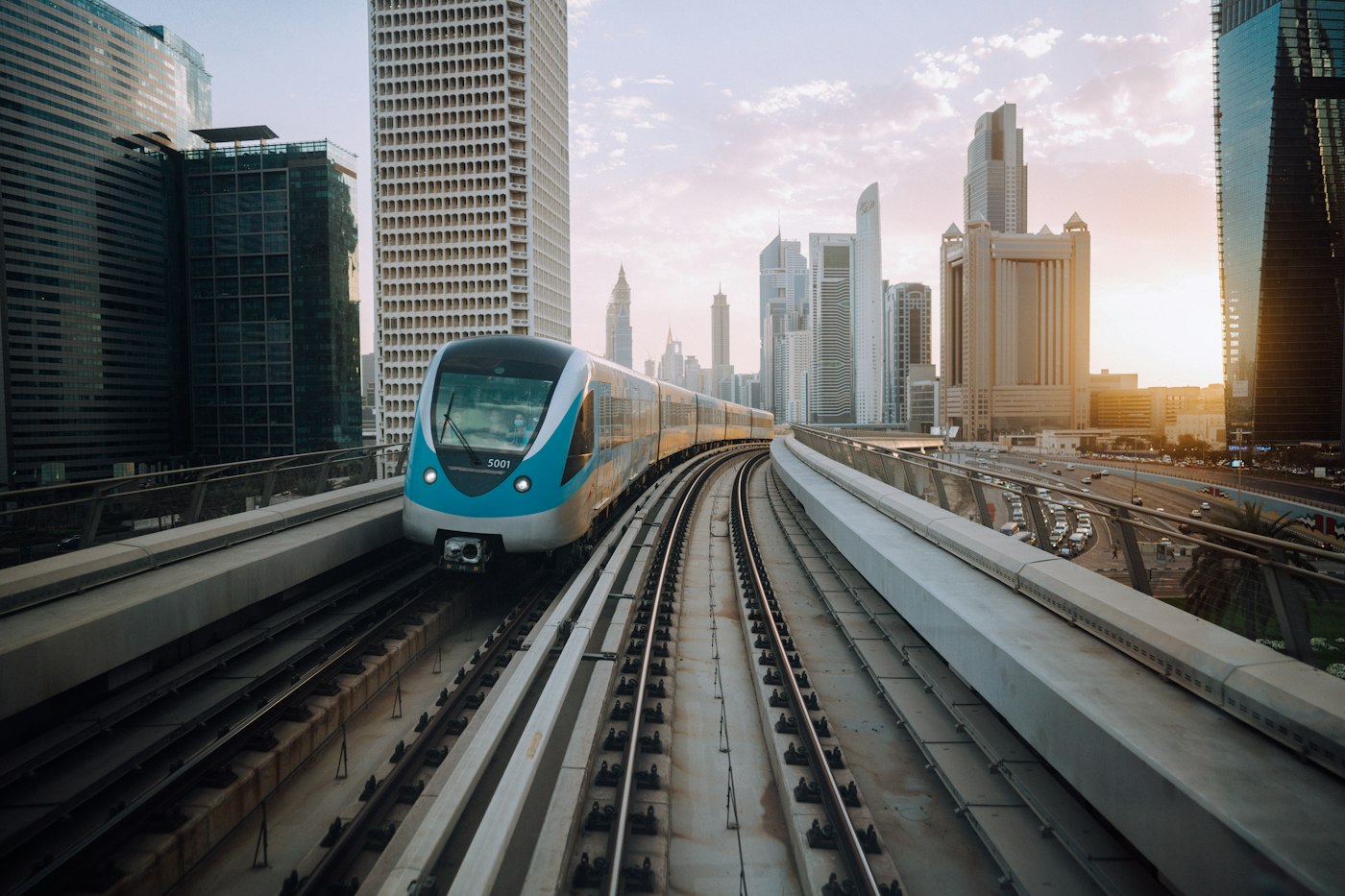
The metro network is planned to grow to 96 stations by 2030 and 140 by 2040, and Etihad Rail is expected to cut commute times by up to 40%.
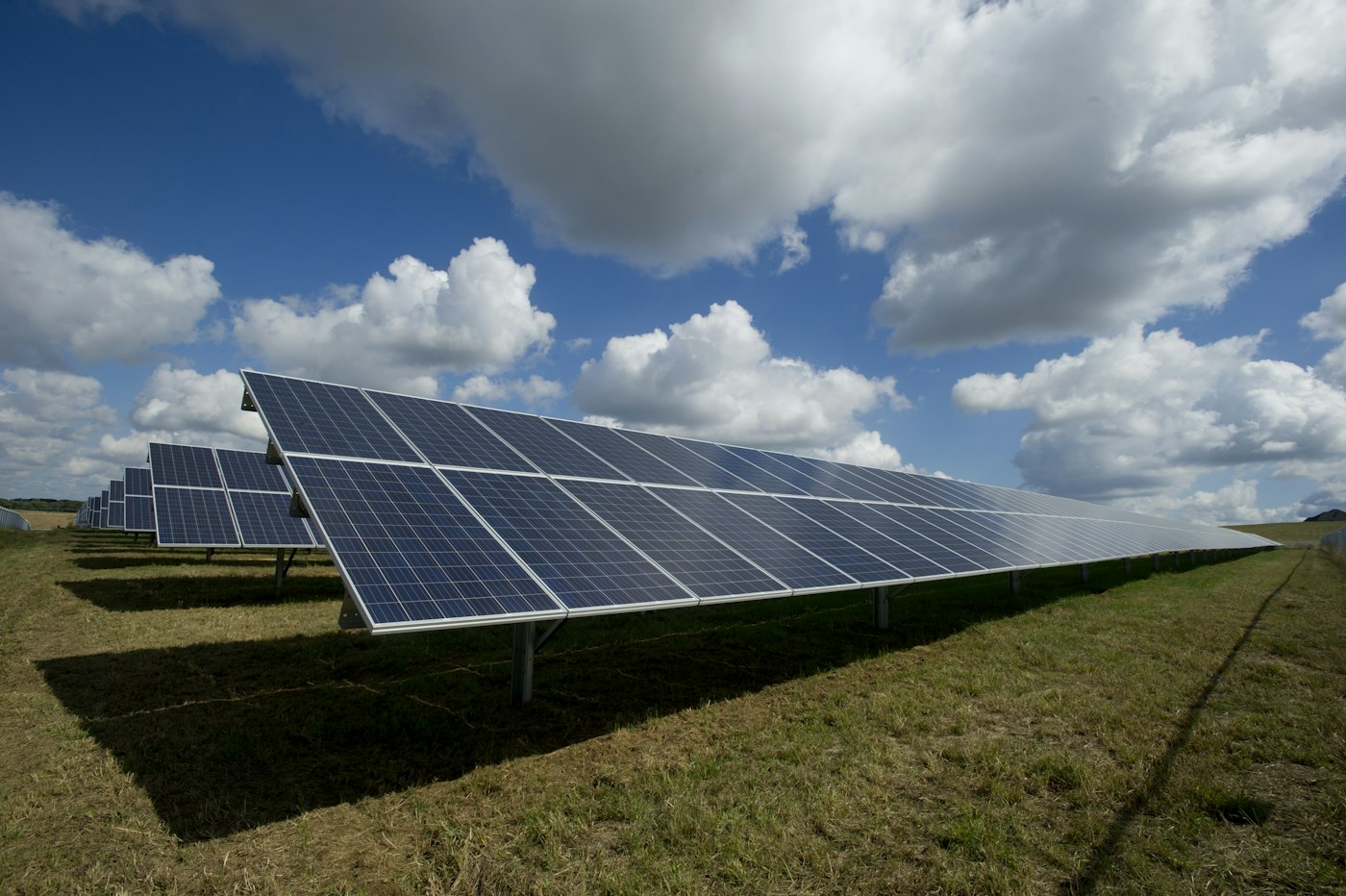
The Dubai Clean Energy Strategy 2050 targets 75% renewable energy, and the Dubai 2040 Urban Master Plan adds new centres at Expo City Dubai and Dubai Silicon Oasis.
Source: Dubai Airports expansion plans, Dubai 2040 Urban Master Plan
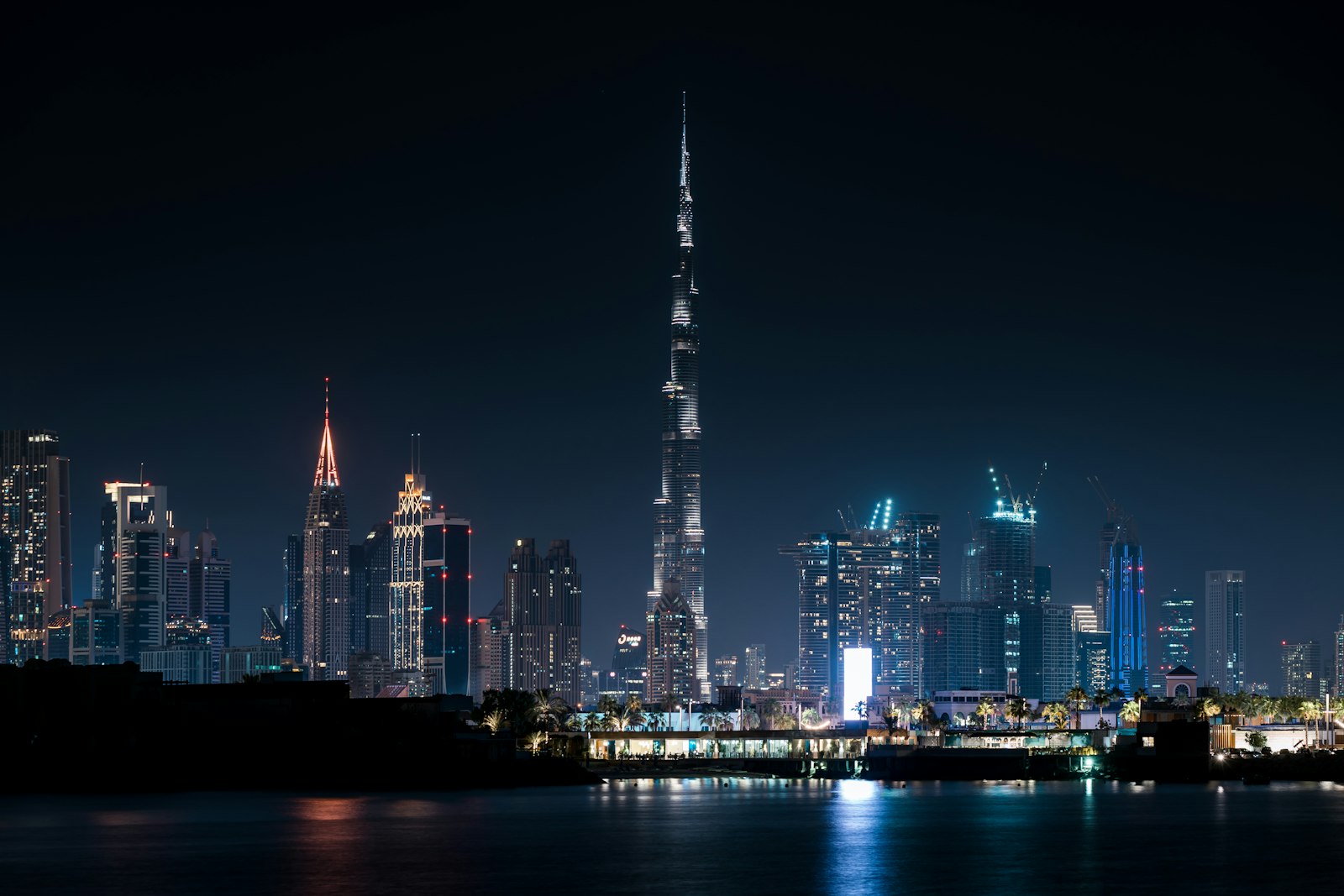
Dubai's economy was valued at about $116 billion in 2024, with growth of 3.3% expected in 2025.
The UAE's non-oil economy is forecast to grow 4–5% in 2025 and now accounts for around 77% of national GDP.
Diversification under the Dubai Industrial Strategy 2030, expected to add AED 160 billion ($43.5 billion) by 2030, alongside rapid progress in AI, fintech and smart-city technology.
Source: Digital Dubai, IMF
residential and commercial sales in H1 2026 (AED 286.4 billion)
deals registered in the first half of 2026
of H1 2026 transactions were off-plan
per sq ft in Q1 2026, up 12.5% year on year
gross, at the top of the range; villas around 5%
Source: Dubai Land Department data, H1 2026, as reported by Economy Middle East and TruHauz
Gross rental yields in Dubai typically sit between 5% and 8%, well ahead of most global gateway cities.
Well ahead of London at 3–4% and New York at 2–3%.
Record tourism and 80.7% average hotel occupancy in 2025 keep demand for rentals and short lets strong.
Source: Dubai rental yield data, global rental yield comparisons
Values have kept climbing: the average price per square foot rose 12.5% year on year in Q1 2026, after villa values gained up to 40% in H1 2025.
Dubai Creek Harbour and Expo City Dubai are among the major projects expected to lift the market further.
Demand from high-net-worth buyers remains strong in prime addresses such as Palm Jumeirah and Downtown Dubai.
Source: Dubai real estate market reports
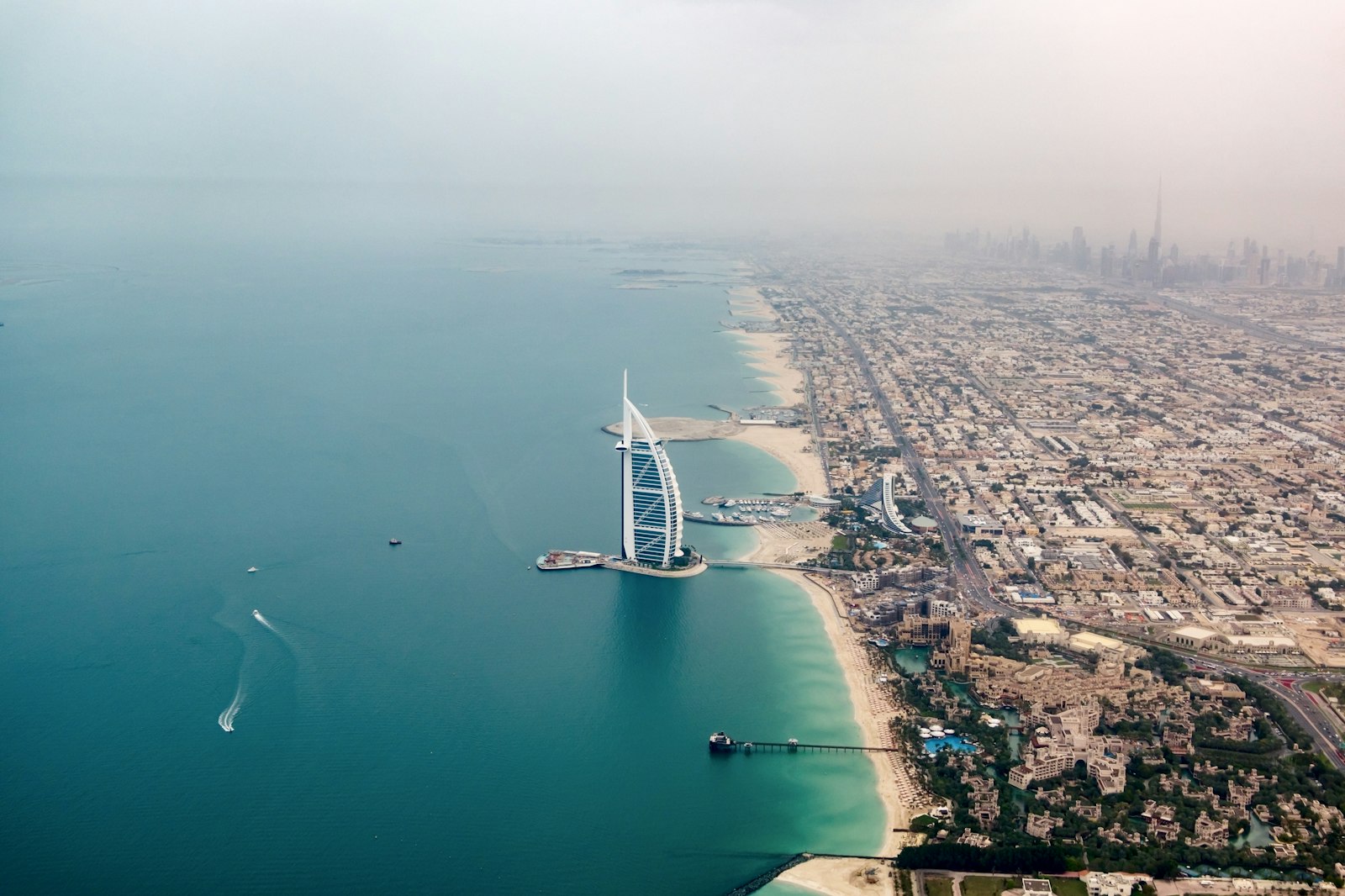
A record 19.59 million international overnight visitors arrived in 2025, the third record-breaking year in a row.
19.59 million international overnight visitors in 2025, up 5% on 2024, led by Western Europe at 21% of arrivals.
Average hotel occupancy reached 80.7% in 2025, across 154,264 rooms in 827 establishments.
More than 22,000 registered holiday homes, with short-let returns of 9–12% in the strongest areas.
Source: Dubai Department of Economy and Tourism, 2025 annual figures
From an AED 2 million property investment, now including off-plan.
0% income tax and no annual property tax.
Average rental yields of 5% to 8%.
More than 120 nationalities call Dubai home.
Consistently ranked among the best cities in the world to live in.
One of the five most visited cities in the world.
Source: UAE Golden Visa regulations, Dubai property tax guidance
What the Golden Visa now offers property investors
Holders abroad can get an electronic return permit within 30 minutes, free of charge, if their passport is lost.
A 24-hour line connects holders directly with the Ministry of Foreign Affairs for enquiries and urgent help overseas.
Holders are included in the UAE's national evacuation and crisis plans, with priority shelter, repatriation and on-the-ground support.
Off-plan homes now qualify when the total investment reaches AED 2 million; the former AED 1 million down-payment rule has been removed.
Source: UAE Ministry of Foreign Affairs

Property worth AED 2 million or more qualifies the owner for a 10-year visa.
Below AED 4 million, only one co-owner can apply for the visa.
No property tax, capital gains tax or income tax on rental income.
Foreign buyers can own freehold property outright.
Uzbekistan is the fastest-opening economy in Central Asia. Sitting on five borders inside a regional market of 80 million people, it pairs a flat 12% income tax with growth that has held near 6% for a decade. Tashkent is where that lands — a capital building a second city alongside itself, modernising its airports, and pricing prime new-build at a fraction of any comparable capital. Gulf Land makes it possible to enter while the market is still forming.
Register your interestUzbekistan borders five countries and sits inside a regional market of more than 80 million consumers. Tashkent lies within a three-hour flight of every other Central Asian capital.
Nominal GDP reached $147 billion in 2025 — 2.2× its 2020 level — and is projected to reach $245 billion by 2030. Foreign investment inflows have risen sixfold since 2020, to $43.1 billion.
Corporate income tax 15%, VAT 12%, personal income tax a flat 12%. IT Park residents pay 0% corporate tax, 0% VAT, 0% customs and 0% social tax.
60% of the population is under 30, in a country of 38.4 million growing at 2% a year. The labour force reached 20.3 million in H1 2025, with unemployment at 4.8%.
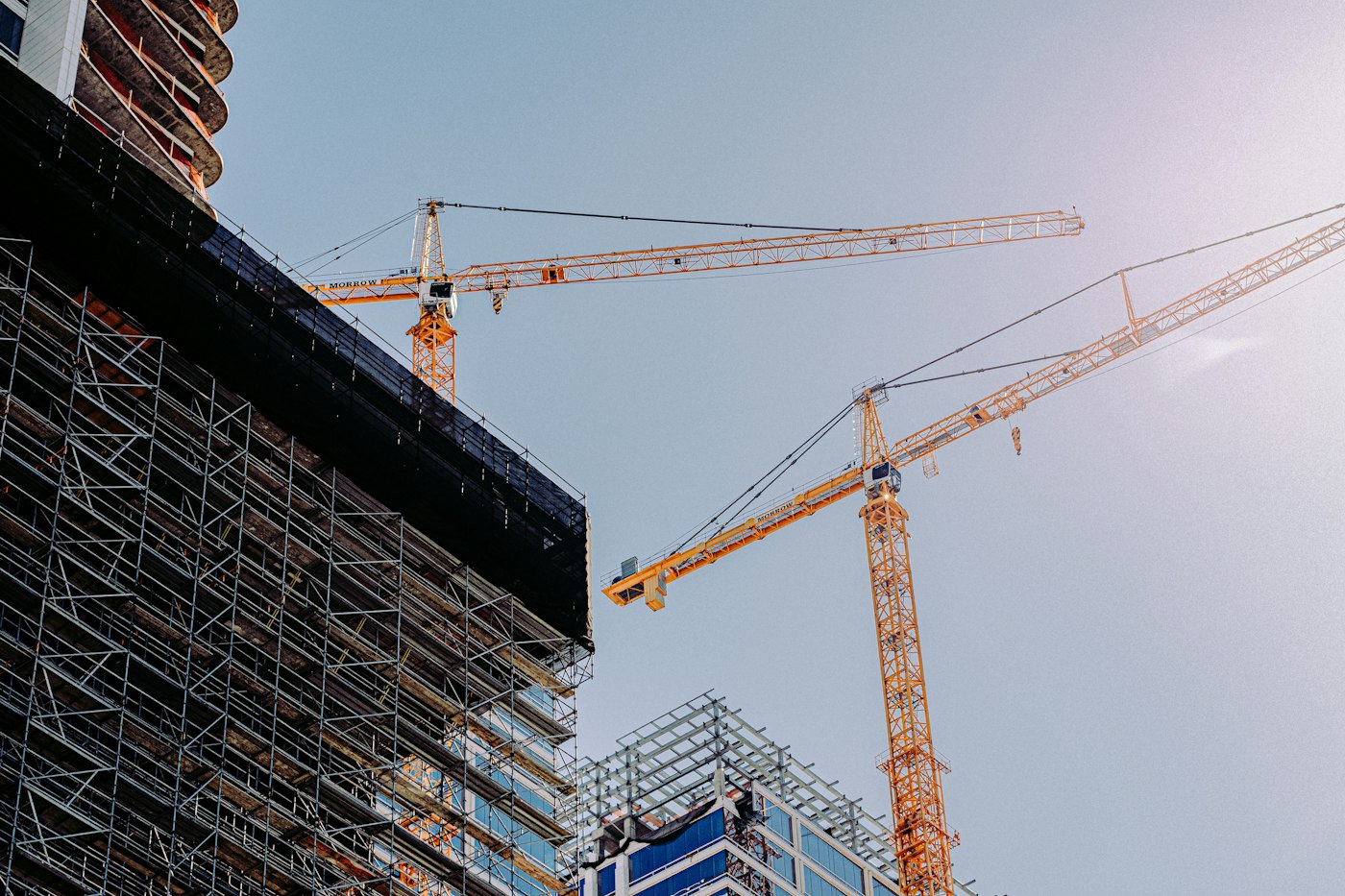
Yangi Toshkent, a planned twin city on the capital's eastern edge, is being built to house more than one million residents, with its own business district, transport spine and utilities.
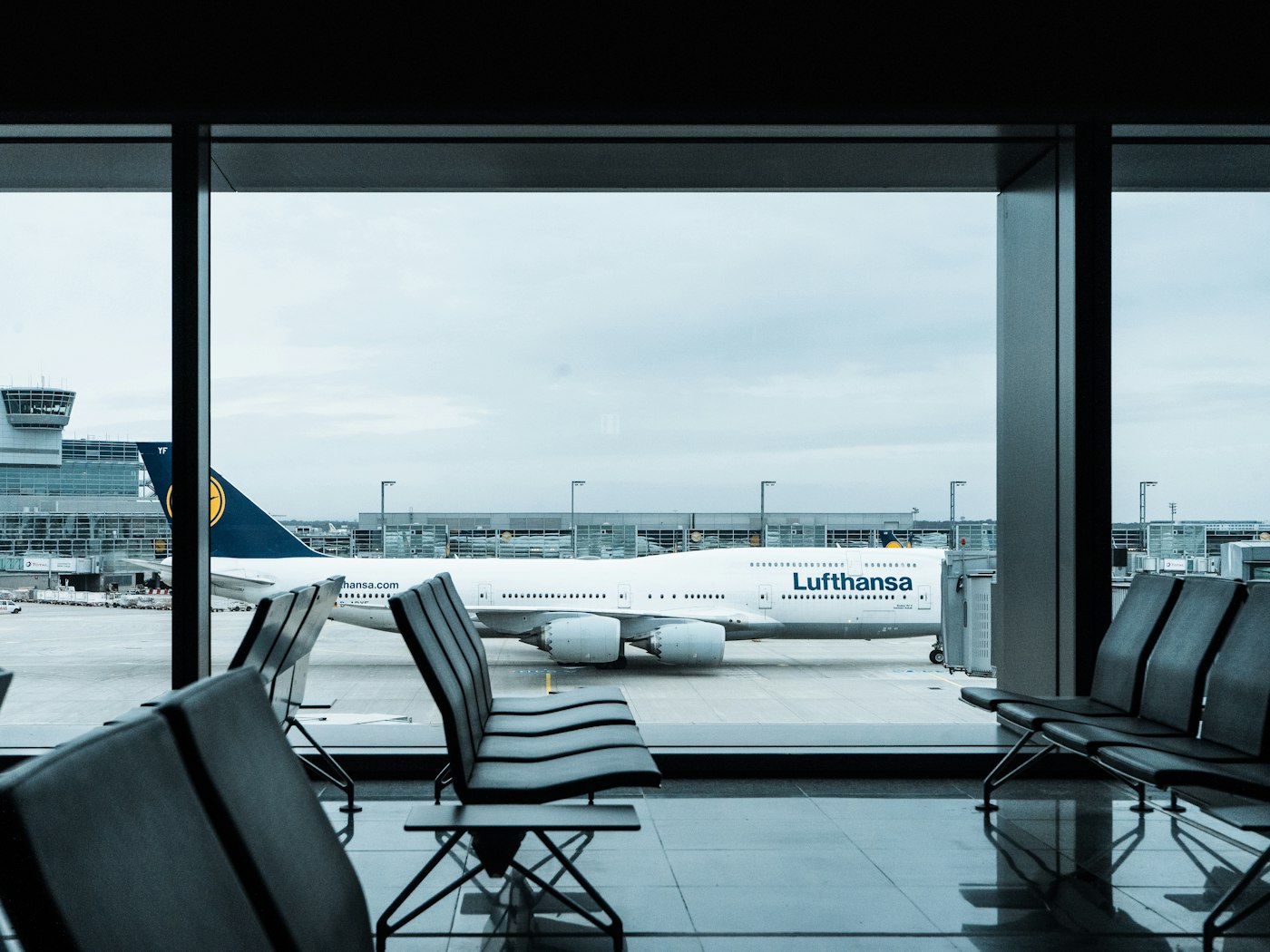
The national airport network is being modernised under a state programme, with Tashkent International as the priority asset and new international terminals planned across the regions.
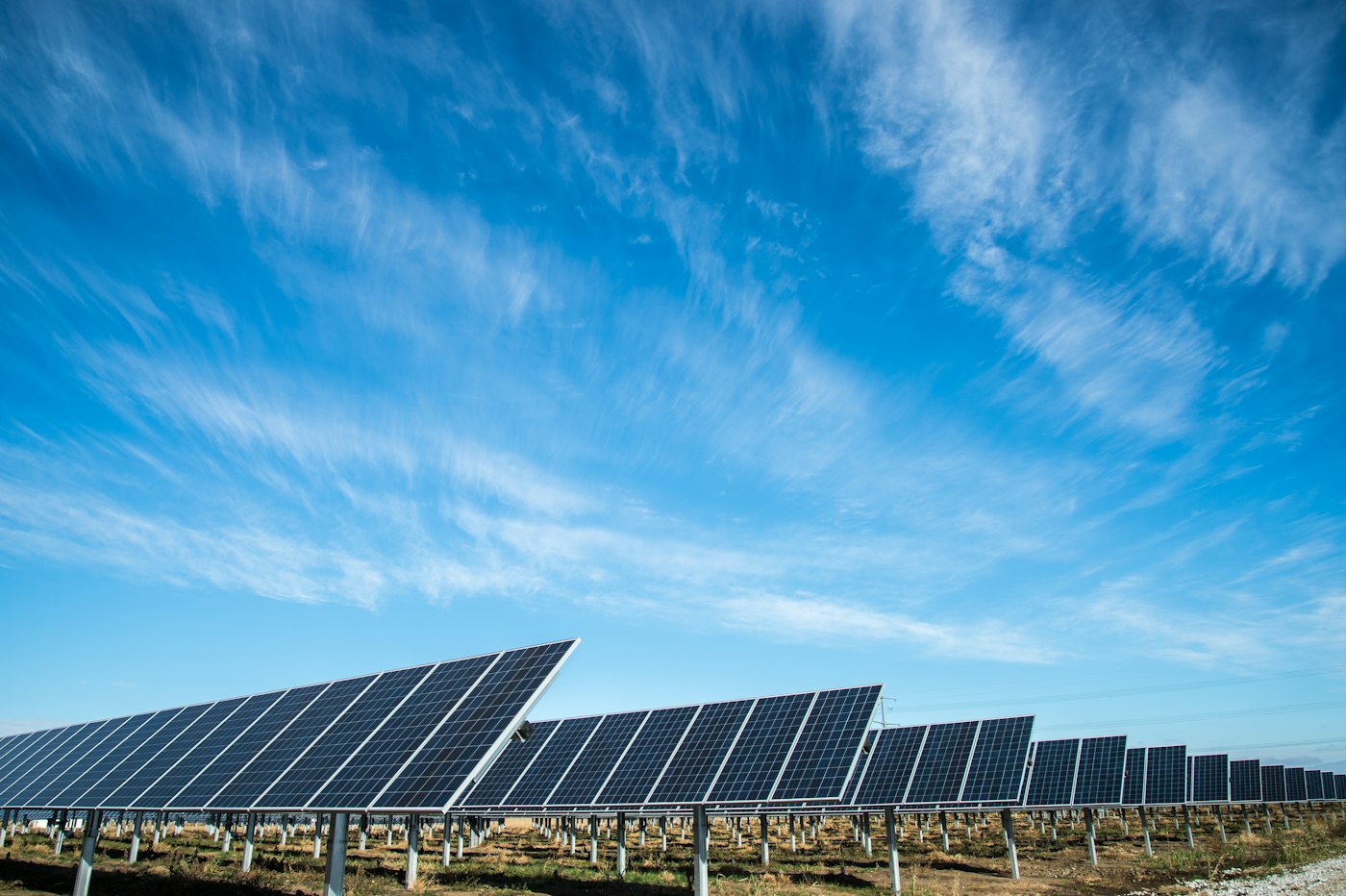
Uzbekistan is targeting 25 GW of renewable capacity and a 54% renewable share of consumption, supported by a $30.3 billion PPP pipeline through 2030 across transport, energy and utilities.
Source: PwC Investment Guide Uzbekistan 2026, Uzbekistan-2030 Strategy
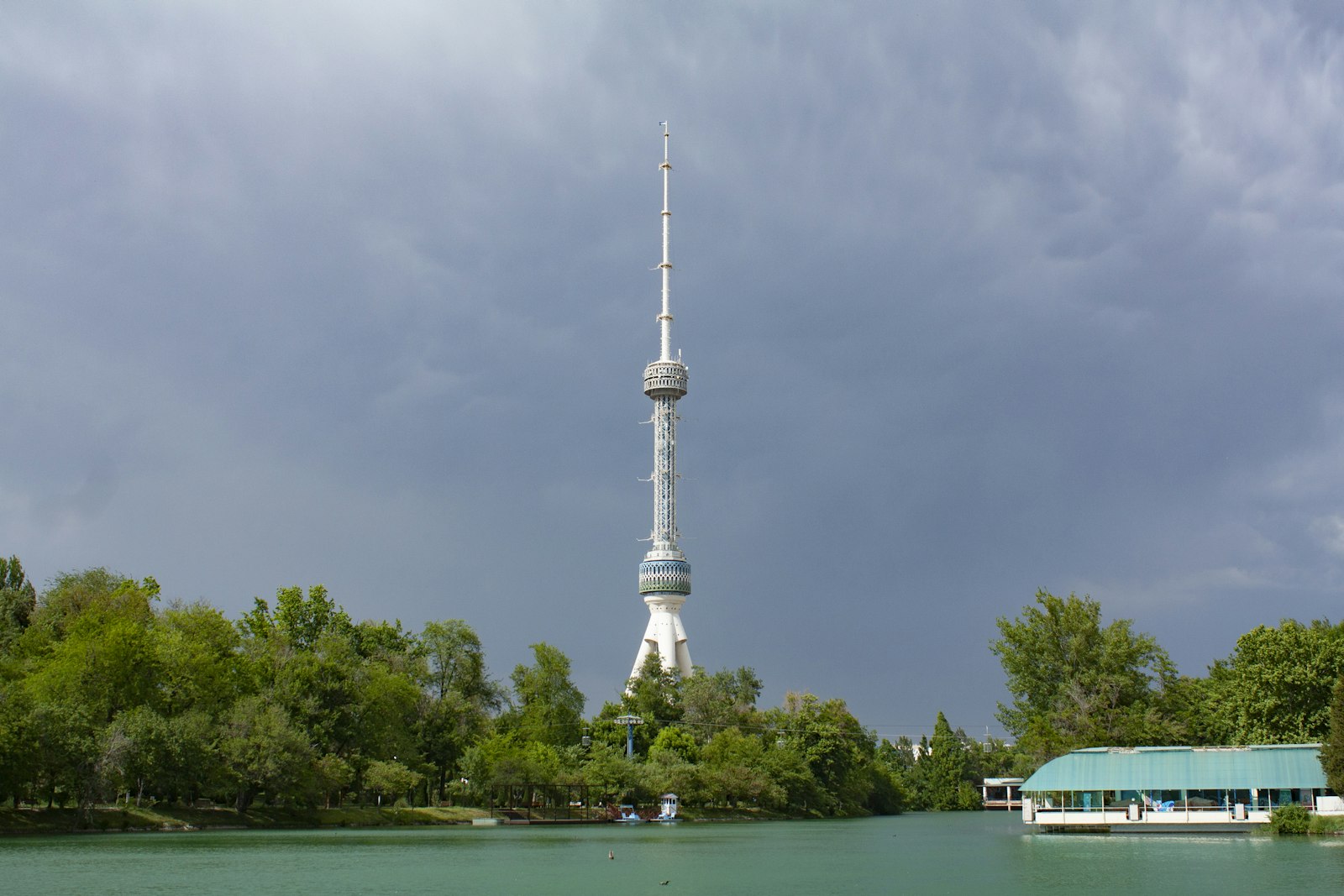
Uzbekistan's nominal GDP reached 147 billion USD in 2025, up from 66 billion in 2020.
The IMF forecasts 6.0% real growth in 2026 and 5.7% in 2027, with the economy projected to reach $245 billion by 2030.
The Uzbekistan-2030 strategy carries a $250 billion investment portfolio targeting $110 billion of foreign capital. Privatisation, currency liberalisation and a strengthened regulatory framework lifted the sovereign to Moody's Ba2, Fitch BB positive and S&P BB stable through 2026.
Source: IMF World Economic Outlook, PwC, Moody's / Fitch / S&P
residential transactions nationally, close to double the level of five years ago
per sq m in Tashkent, compounding at a 26% annual rate
of inflows in 2025, six times the 2020 level
for an under-construction unit in Tashkent
in Tashkent city; $100,000 in the regions
Source: PwC Investment Guide Uzbekistan 2026, Government of Uzbekistan
Central Tashkent rents at $10–11 per sq m per month, against a primary-market purchase price near $1,239 per sq m.
Class A office space in Tashkent lets at $15–30 per sq m per month, against $25–40 in Almaty and Baku and $20–35 in Istanbul.
Around 500,000 sq m of new office space is due over three years, roughly tripling existing stock.
Source: PwC Investment Guide Uzbekistan 2026
Tashkent primary-market pricing has compounded at 26% a year, with mortgage-driven demand replacing a previously cash-dominated market.
Tashkent City, Nest One and Mirabad Avenue set the premium benchmark; Yangi Toshkent will add a second urban core.
Moody's upgraded Uzbekistan to Ba2 in June 2026 and Fitch moved the outlook to positive. Government debt stands at 27.1% of GDP.
Source: Moody's, Fitch, S&P, PwC
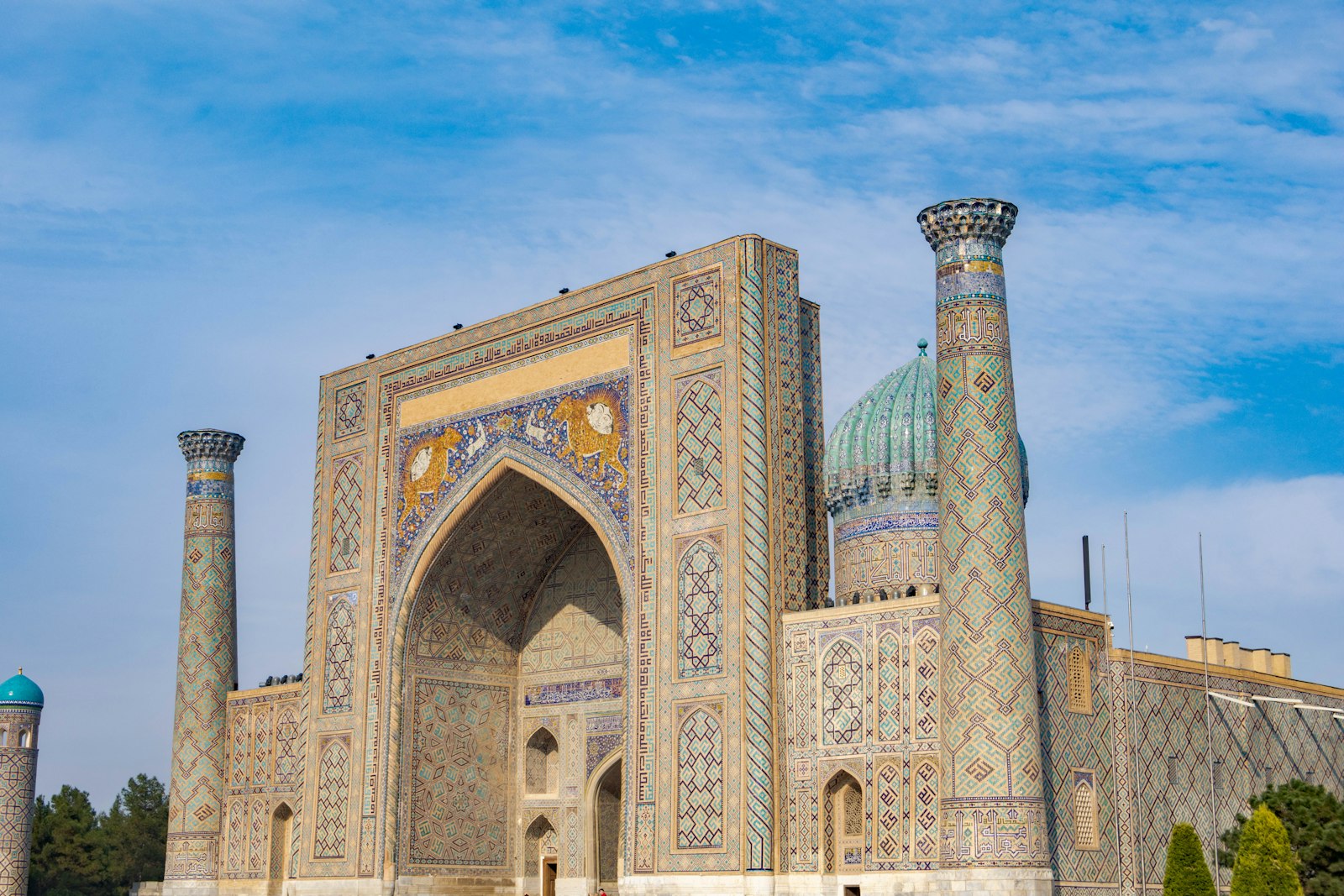
Uzbekistan is targeting $5 billion in tourism exports by 2030, built on three UNESCO Silk Road cities and a capital that serves as the arrival point for all of them.
15 million foreign visitors, 25 million domestic travellers and 3 million pilgrimage arrivals a year by 2030.
Samarkand, Bukhara and Khiva — three UNESCO World Heritage Silk Road cities — with Tashkent as the gateway.
Thirty tourism clusters planned nationally, with tourism exports targeted to reach $5 billion.
Source: Uzbekistan-2030 Strategy, PwC
Property purchase in Tashkent city; from $100,000 in the regions.
With 15% corporate tax and 12% VAT.
Tashkent primary market at a 26% compound annual rate.
60% of the population is under 30.
Moody's, Fitch and S&P all moved positively.
Five borders, 80 million consumers in reach.
Source: PwC Investment Guide Uzbekistan 2026, IMF
The residency routes open to foreign buyers
A property purchase of $300,000 or above in Tashkent city qualifies a foreign national to apply for a permanent residence permit.
Outside Tashkent the threshold falls to $100,000.
From June 2025, a five-year investor residence permit is available at $250,000, with a further $150,000 for each accompanying family member.
Foreign nationals may purchase new-build in Tashkent without holding a residence permit — roughly $150,000 minimum under construction, $180,000 completed.
Source: Government of Uzbekistan
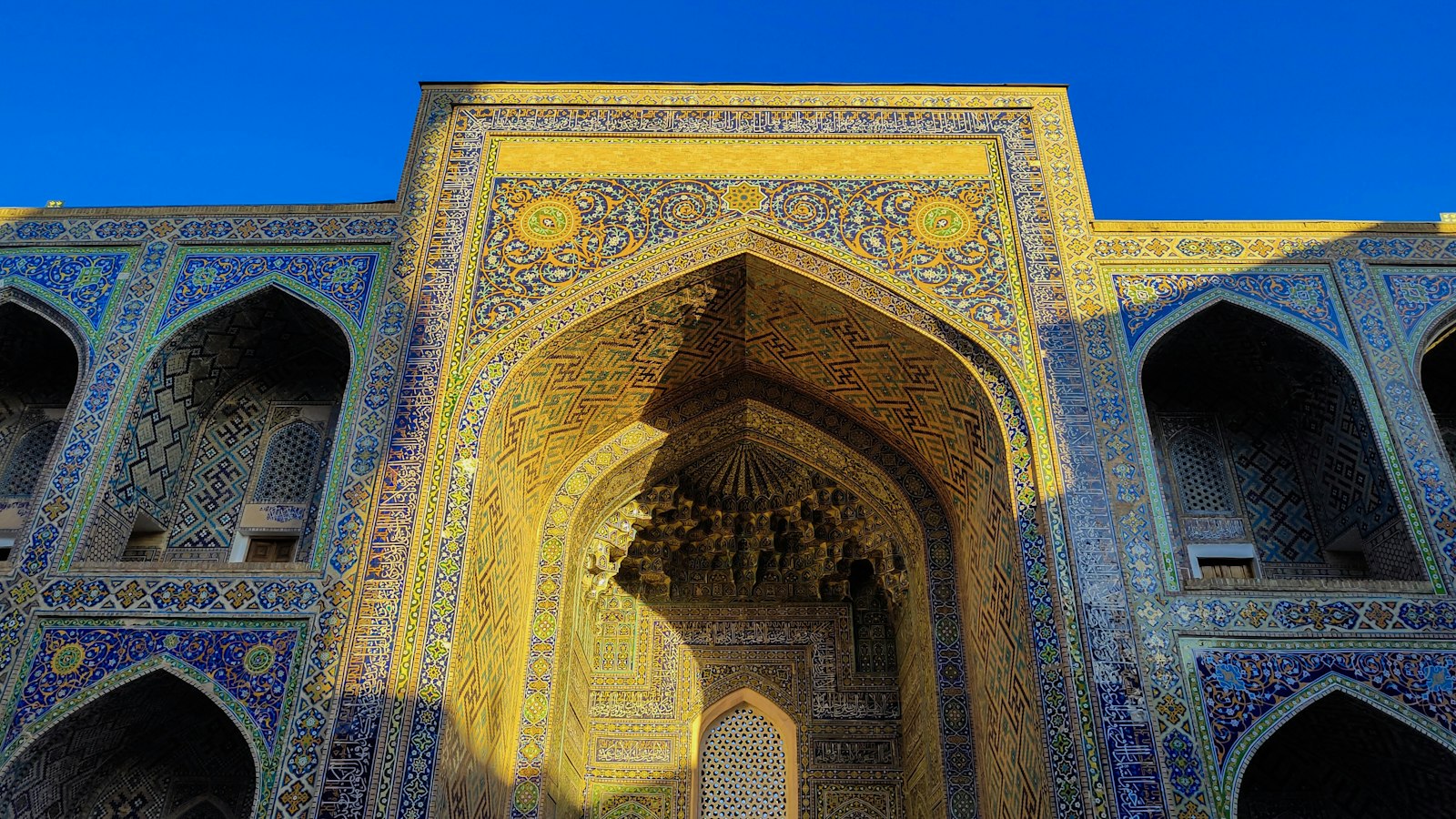
$300,000 of property in Tashkent city qualifies for a permanent residence permit.
Flat 12% personal income tax; 15% corporate; 12% VAT.
Foreign nationals may own apartments outright; land is held on long-term use rights rather than freehold.
The som has floated freely since the 2017 liberalisation.
Portugal is the only Western European market still compounding at double digits. House prices rose 17.6% across 2025, the strongest year on record, while 32.5 million visitors and a structurally short pipeline hold pressure under both sale and rental values. Lisbon and the Algarve carry the country's prime stock. Gulf Land makes it possible to hold a euro-denominated asset in the market the rest of Europe is trying to replicate.
Register your interestA Portuguese residence permit carries visa-free movement across the 29-country Schengen Area. Full EU rights follow naturalisation, now at 10 years for most nationalities and 7 for EU and CPLP nationals.
Lisbon is continental Europe's westernmost capital and the country's principal hub, with the Algarve served by Faro. A replacement capital airport at Alcochete has been approved at a cost of up to €8.9 billion.
IFICI, successor to the Non-Habitual Resident regime, applies a flat 20% rate to qualifying Portuguese employment and self-employment income for ten years, against headline rates reaching 48%.
Eurozone member with euro-denominated title. No nationality restriction on property ownership — foreign buyers acquire freehold on the same terms as residents.
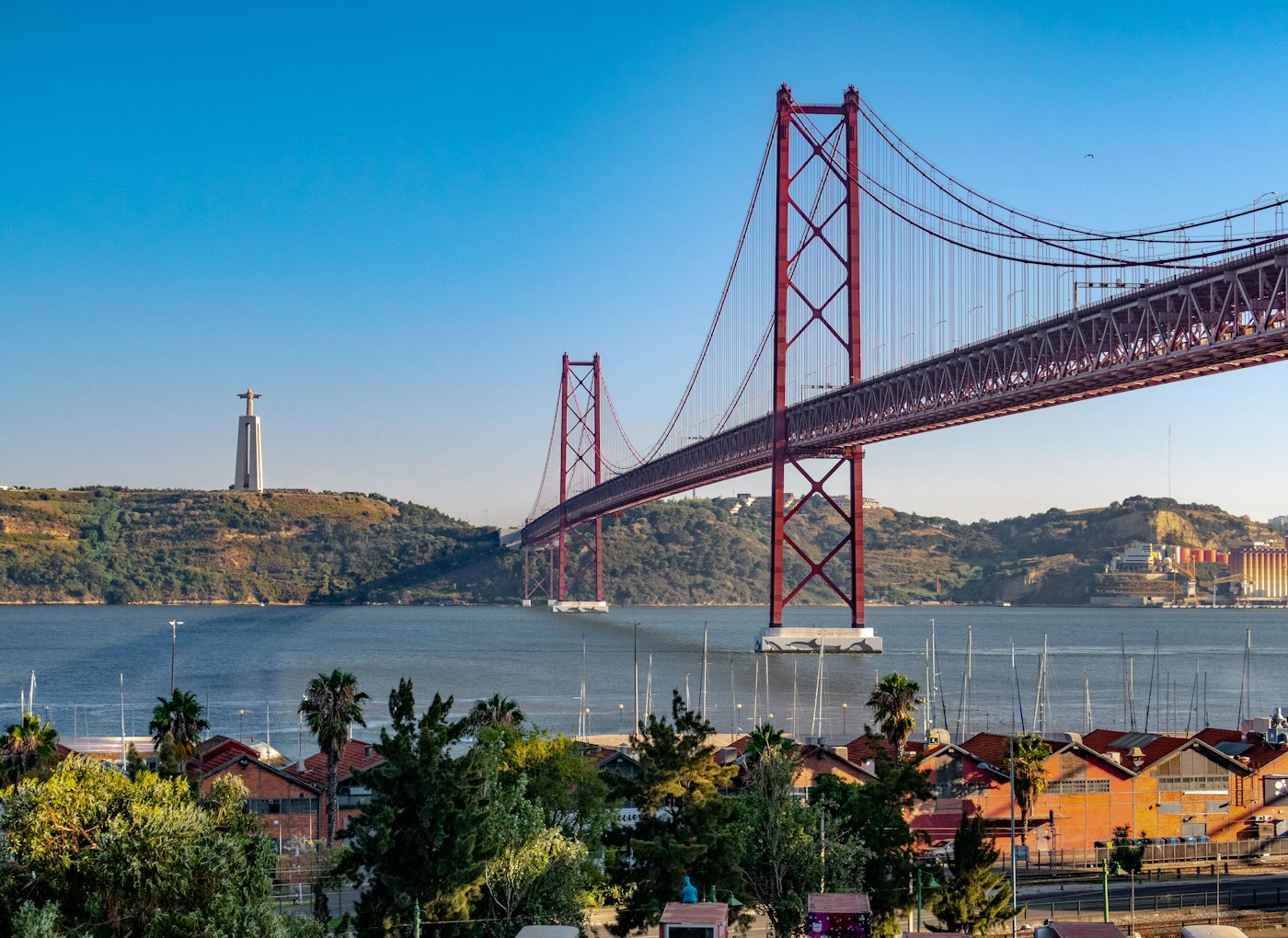
The Luís de Camões airport at Alcochete, across the Tagus from Lisbon, has been approved at up to €8.9 billion, with delivery roughly eleven years out.
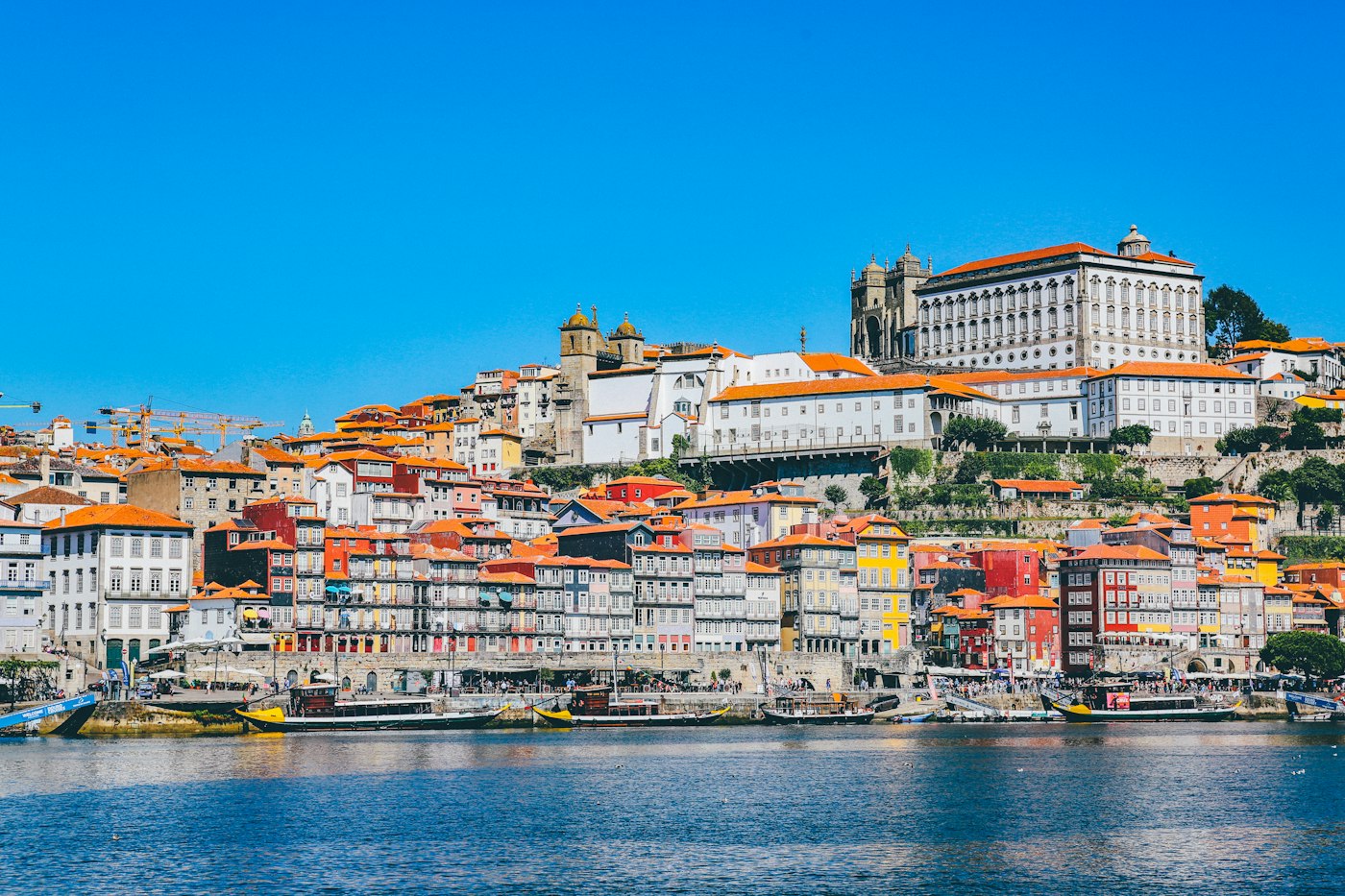
169,812 dwellings sold in 2025, the highest in the available series, against a licensing pipeline that remains structurally short. €13.4 billion of mortgage lending was issued in H1 2025 alone — a record half-year, up 21% year on year.
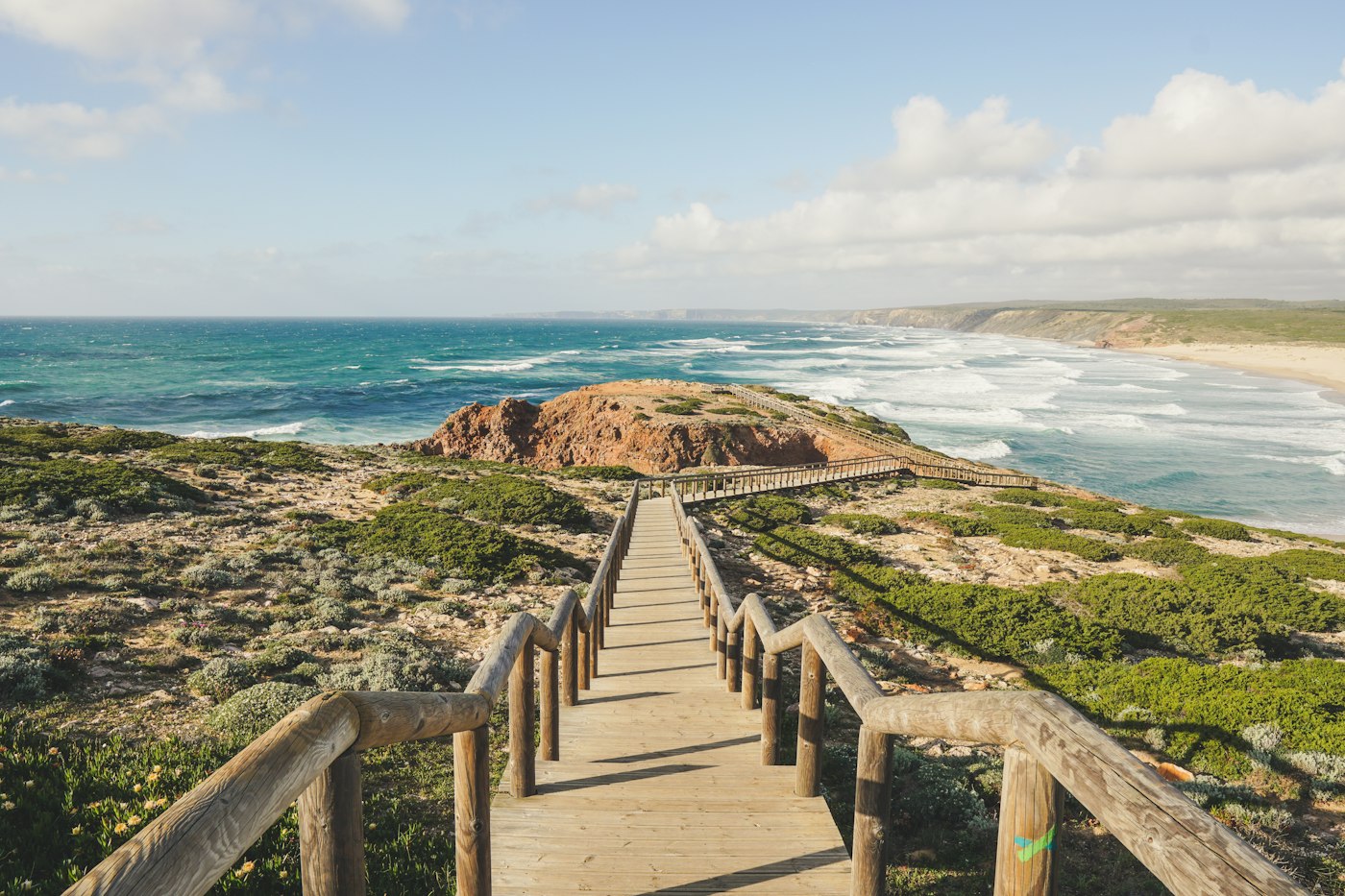
Around 50 new hotels opened by June 2025, adding 2,470 rooms. Lisbon and Porto account for 40% of upcoming supply, the Algarve a further 17%.
Source: INE, Banco de Portugal, Cushman & Wakefield MarketBeat Portugal Autumn 2025
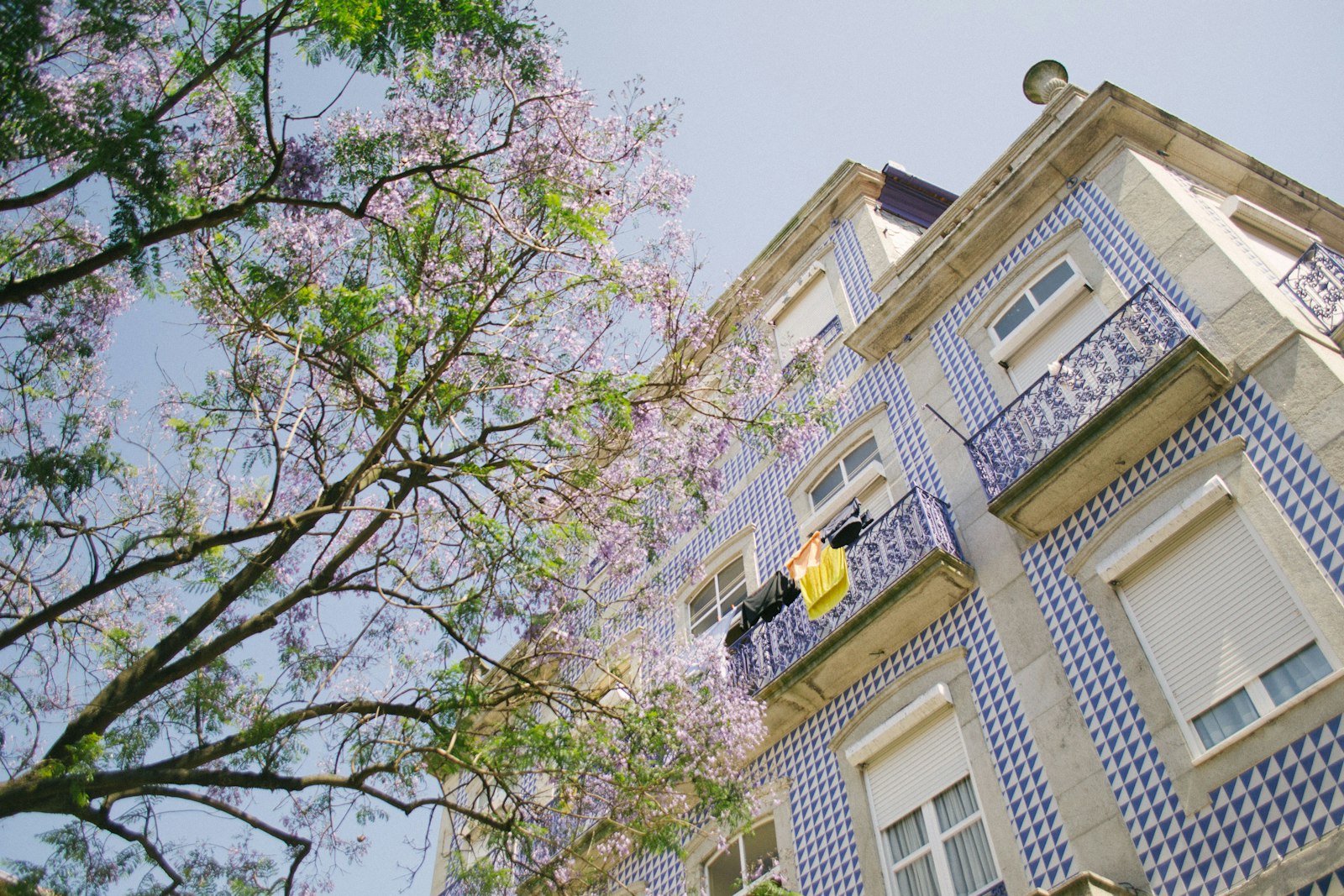
Portugal grew 1.7% in 2025, with investment up 5.3% and private consumption up 2.9%.
Growth is forecast to accelerate moderately and to continue exceeding the euro area average.
Tourism, inbound migration and record mortgage issuance. Unemployment is forecast to fall from 6.1% to 5.2% by 2027, with inflation easing to 1.8%.
Source: Cushman & Wakefield MarketBeat Portugal, Autumn 2025
House Price Index across 2025, the strongest annual rise on record
dwellings sold in 2025, an 8.6% increase and the highest in the available series
per sq m median asking price in Lisbon; €4,064 in Porto
per sq m median apartment appraisal, up 21.0% year on year
approximately, gross, nationally
Source: INE, Idealista, Banco de Portugal
Portugal's gross yields sit near 5.1% nationally — but 2025 was a capital-growth year, not a yield year: asking rents softened while values rose 17.6%.
Median transaction price reached €2,198 per sq m in Q4 2025, up 17.5% year on year, with existing homes outpacing new build.
Non-resident purchases have declined since the Golden Visa property route closed. Domestic demand now drives record volumes — a structurally more durable base.
Source: INE, Idealista, Global Property Guide
Lisbon apartment values reached €5,060 per sq m in H1 2025, with new-build at €7,110 per sq m.
Lisbon and Porto lead the national development pipeline at 40% of upcoming supply, with the Algarve at 17%.
BPI Research expects price growth to stay positive but to slow from 2025's exceptional pace.
Source: Confidencial Imobiliário, Cushman & Wakefield, BPI Research
Portugal's accommodation sector recorded 32.5 million guests and 82.1 million overnight stays in 2025.
32.5 million guests in 2025, up 3%, with 82.1 million overnight stays, up 2.2%.
Lisbon, Porto, the Algarve coastline and Madeira, with golf, surf and wine carrying demand year-round rather than seasonally.
RevPAR reached €77.0, up 7%, on stable occupancy — rate-led growth rather than volume-led.
Source: INE Tourism Statistics 2025, Cushman & Wakefield
+17.6% in 2025, the strongest year in the index's history.
Eurozone member, freehold title, no nationality restriction.
20% flat on qualifying income for ten years.
Visa-free movement across 29 countries with a residence permit.
32.5 million guests in 2025.
Record sales volumes against a structurally constrained pipeline.
Source: INE, Banco de Portugal, Cushman & Wakefield
Property no longer qualifies. Here is what does.
€500,000 into a qualifying Portuguese investment fund with no real-estate exposure. Property purchase has not qualified since October 2023.
€250,000 cultural donation, €500,000 into research, or qualifying job creation.
The passive-income (D7) and digital-nomad (D8) visas remain open to individuals who relocate, and carry no investment minimum.
Permanent residence after five years. Naturalisation now requires ten years for most nationalities and seven for EU and CPLP nationals, under Lei Orgânica 1/2026, in force from 19 May 2026.
Source: AIMA, Lei Orgânica 1/2026

Freehold with no nationality restriction — but buying property does not confer residency.
IMT transfer tax, stamp duty, and AIMI on higher-value holdings.
IFICI: 20% flat on qualifying employment and self-employment income for ten years.
Ten years for most nationalities; seven for EU and CPLP, from 19 May 2026.
Speak to a Gulf Land adviser about residency, returns and the right project for your goals.